It is important to also note the following:
* The Visa on Arrival is non-extendable and cannot be converted into a different visa.
* The Visa purchasing system will take approximately 3-5 minutes per applicant.
* There are 6 payment counters, a bank, and a money changer set up to process payments.
* Once you have paid for and received your visa you will need to proceed to Immigration where your visa will be processed.
Citizens of countries not on the visa-on-arrival or visa-free lists will be required to apply for a visa before entering Indonesia.
Your passport must be valid for at least 6 months from the date of entry into Indonesia, and you must have proof of onward passage (either return or through tickets). If you cannot fulfill both of these requirements, you may not be allowed to enter the country.
Clothing
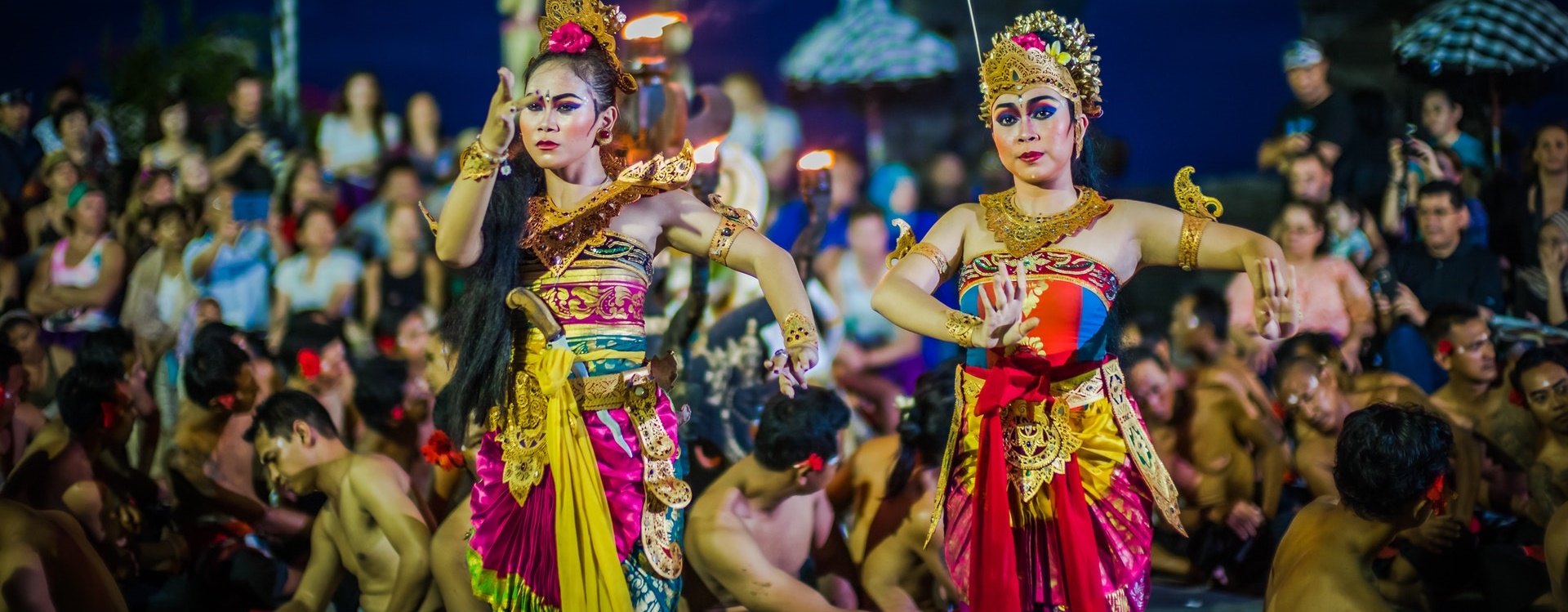
In general, people wear clothes that are similar to the western style. In many rural areas and on celebrations (special occasions) people wear traditional dress. But the normally traditional dress is not worn daily. Batik is considered a formal dress. Each regional area in Indonesia has its traditional dress.
Many men wear ties when they go to work. But, most of them do not wear a tie. Just a regular shirt and pants. For informal occasions, people wear jeans. Women wear dresses just like ordinary people in the west. Of course, even if it is hot, no bikinis (except on beaches).
Language
Bahasa Indonesia is the official Indonesian language. Balinese languages are also widely spoken by the local population. English is widely spoken, especially in popular tourist areas. Dutch, German, Swedish, and Japanese languages are spoken in some places catering primarily to the tourist trade.
Religion
Islam is Indonesia’s main religion, with almost 88% of Indonesians declared Muslim according to the 2000 census, making Indonesia the most populous Muslim-majority nation in the world. The remaining population is 9% Christian (of which roughly two-thirds are Protestant, the remainder mainly Catholic, and a large minority Charismatic), 2% Hindu, and 1% Buddhist.
Currency
The currency used in Indonesia is the Rupiah and to get the best exchange rates, it is best to stick to US dollars or sterling traveler’s cheques rather than cash and stick to banks and credit cards are widely accepted in major destinations such as Jakarta and Bali, there are also many ATMs in the territory and if need be, you can usually get a cash advance in a bank – at a small charge.
Tipping is not common practice, but there are always little charges to pay, people who help you park, people who carry your bag, cab drivers, and waiters will all expect a few thousand Rupiah for their service – for meals, you may well pay around 10% of the bill in upmarket restaurants – a few pence everywhere else, unless a service charge has already been added to the bill, and gentle bargaining over prices is the norm in almost all markets, shops, and hotels.
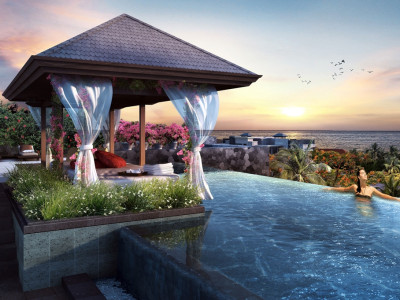
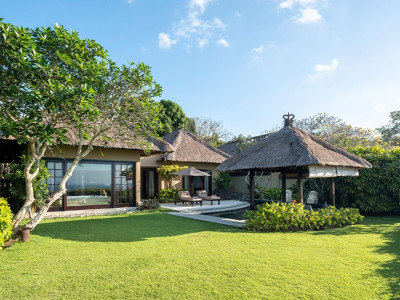
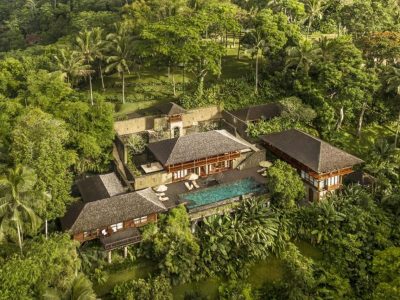
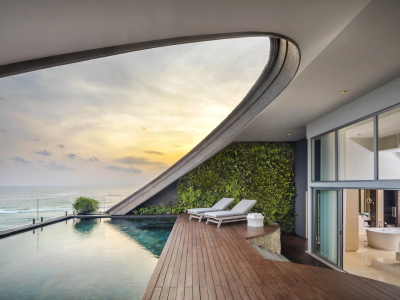
Bali is magical; it offers a unique combination of spectacular mountain scenery and beautiful beaches, with warm and friendly people. A trip to Bali can be filled with culture, nature, art, and shopping.
The Island – Only 2,136 square miles (5,633 square kilometers) and located eight degrees south of the equator, Bali is one of the islands of the more than 17,000 that make up the Indonesian archipelago. Bali offers a landscape of great contrasts: majestic mountains and coastal lowlands, limestone fringes, and soft sand beaches. Bali’s beaches benefit from coastal winds, strong swells, and warm waters year-round, making them a popular destination for swimmers and surfers alike.
The People – Balinese; are gentle people renowned for their genuine smiles, warm hospitality, and strong cultural identity. Most Balinese practice a form of Hinduism dating to the 7th century. These beliefs meld Hindu and Buddhist principles with a basis in pre-Hindu religious customs. Balinese society is highly structured and communal. The powerful village unit, or banjar, determines most community affairs.
Things To Do in Bali
Visitors who would like to explore the great outdoors will find many options in Bali. Certified scuba diving training and tours include wreck, reef, and night dives. White water rafting, kayaking, bicycle tours, hiking through the mountains, trekking through rice fields, or water skiing on the waters of a volcanic lake. Nature enthusiasts can wander through game reserves, bird sanctuaries, or horticultural gardens.
Those who consider shopping for their sport of choice can amass treasures on any budget. Locally designed fashions decorated with intricate beadwork or catwalk cool leather outfits displays in chic boutiques. Original glassware and ceramics are sold in trendy shops and factory outlets. Bespoke jewelry crafted in gold or silver will be delightful too.
Accessibility
Bali is served by Ngurah Rai International Airport, just 20 minutes away from The Ritz-Carlton, Bali. As of September 2013, Ngurah Rai Airport has expanded to cater to more domestic and international flights. It is served by several airlines including Singapore Airlines, Cathay Pacific, KLM, Garuda Indonesia, Air Asia, Qatar Airways, etc.